Articles
Short guides you can read or listen to. Each one is written for learners first, with a Technical switch where there is more detail.
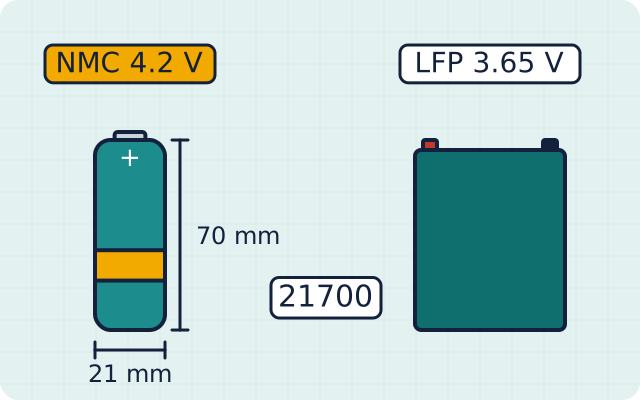 Lithium-ion cell types: NMC, LFP and what the numbers mean
The two chemistries you meet most in Indian EVs are NMC and LFP. Here is how they differ in range, life, safety and cost, and how to read a cell's code.
1 min read
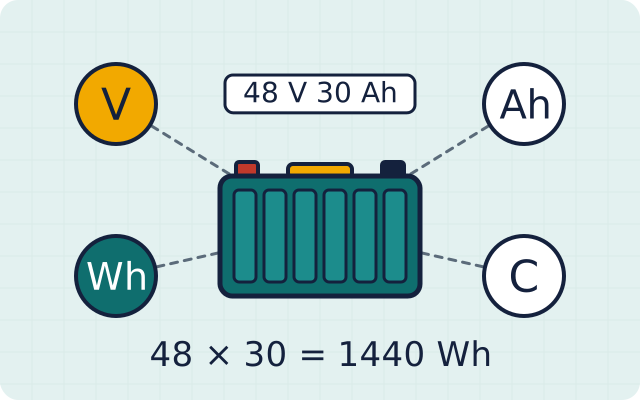 How a battery pack is rated: voltage, Ah, Wh and C-rate
Four numbers describe any pack: its voltage, its amp-hours, its watt-hours and its C-rate. Learn what each means and how they set range and power.
1 min read
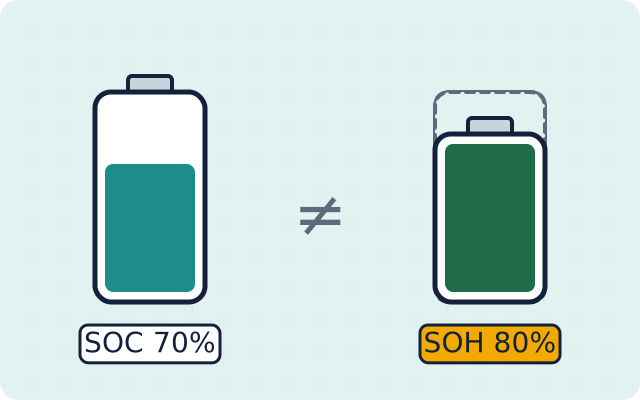 State of charge vs state of health: what each tells you
SOC is how full the battery is now; SOH is how much life it has left. Confusing the two leads to bad buying and bad maintenance decisions.
1 min read
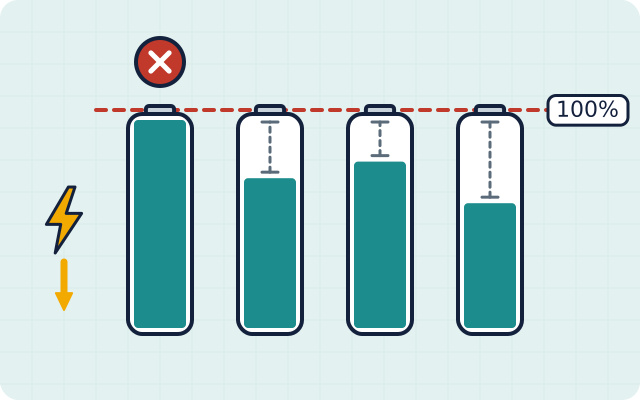 Why cells need balancing and how it is done
In a pack of many cells, small differences grow over time. Balancing keeps them equal so one weak cell does not cap the whole pack.
1 min read
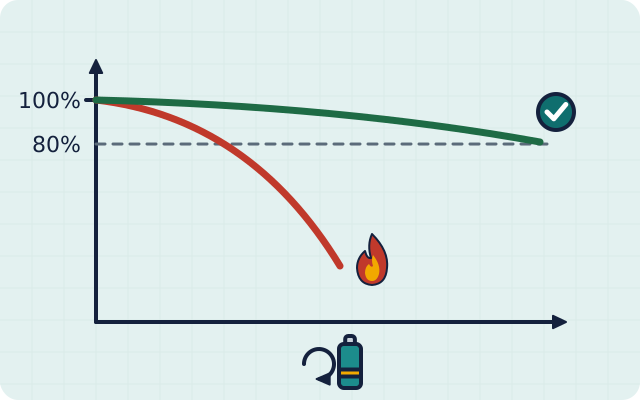 Battery cycle life: what shortens it and how to extend it
How long a lithium pack lasts depends on its charge cycles. A few simple habits can add years to it.
1 min read
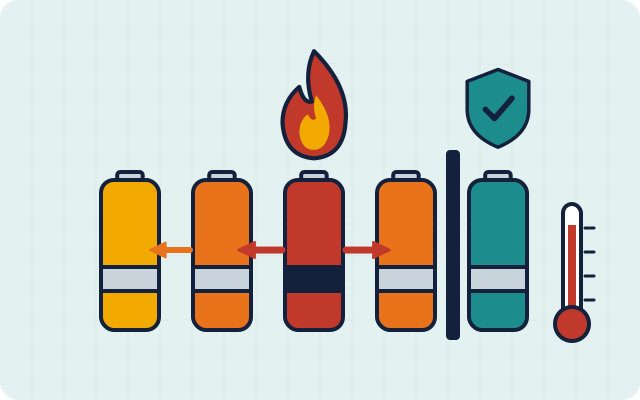 Thermal runaway: what causes it and how packs prevent it
Thermal runaway is the worst failure a lithium pack can have. Understanding the chain helps you prevent it.
1 min read
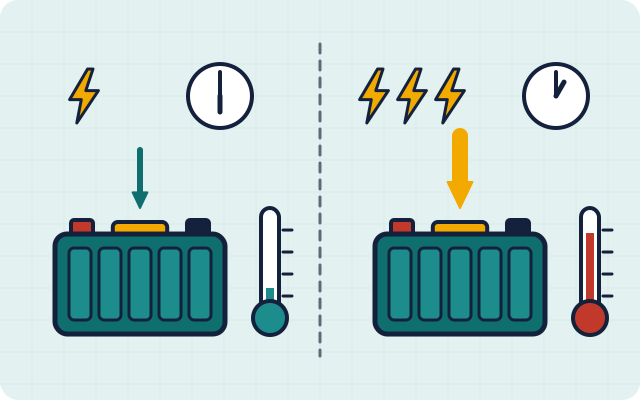 Fast charging vs slow charging: what it does to the battery
Fast charging is convenient but harder on the pack. Here is the honest trade-off and when to use each.
1 min read
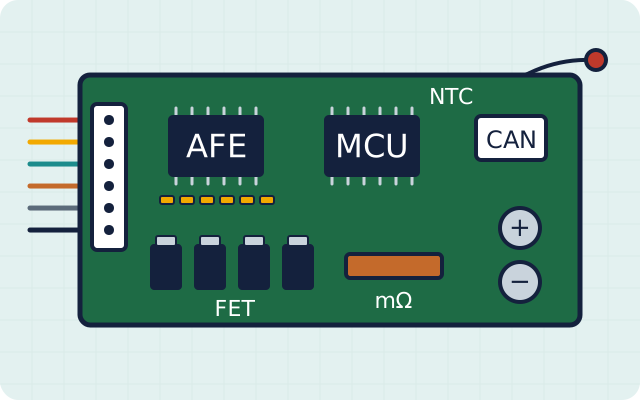 Inside a BMS: the parts and what each does
The battery management system is a small board with a big job. Here are its main parts and the role of each.
1 min read
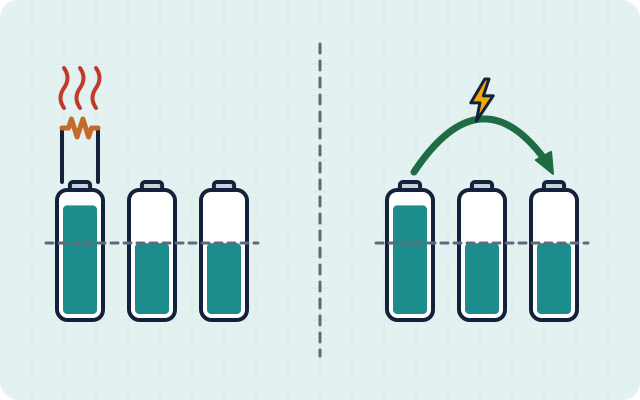 Passive vs active cell balancing
Both keep cells equal, but they work in opposite ways. Here is when each is worth the cost.
1 min read
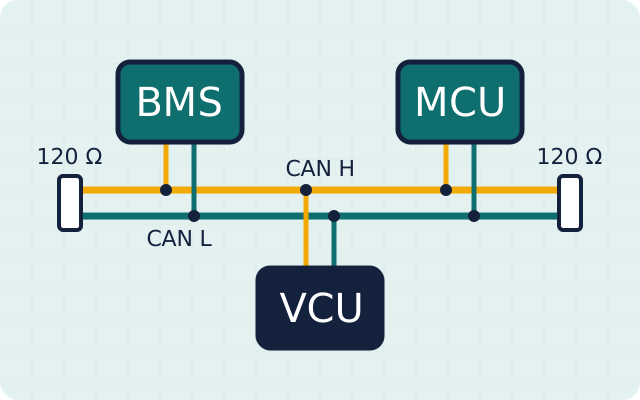 CAN bus in an EV: how the parts talk to each other
The BMS, controller, dashboard and charger all need to agree. CAN bus is the shared language that lets them.
1 min read
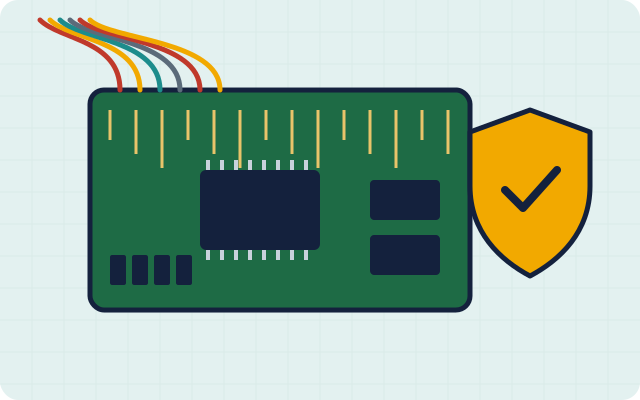 What a BMS does, in plain words
The battery management system is the guard inside every lithium pack. Here is what it watches, what it controls and how to tell when it has acted.
2 min read
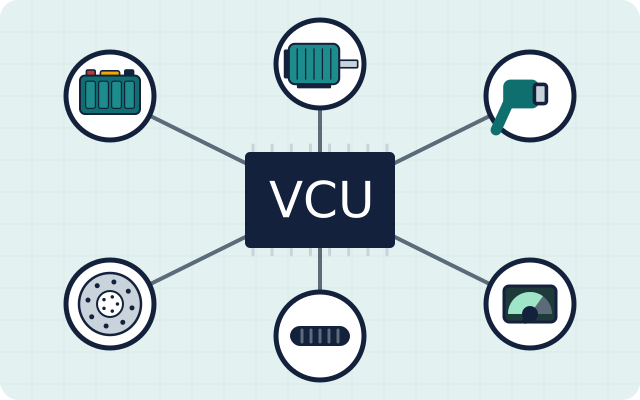 The VCU: the brain of the vehicle
The vehicle control unit decides what the whole EV does. Here is how it ties the parts together.
1 min read
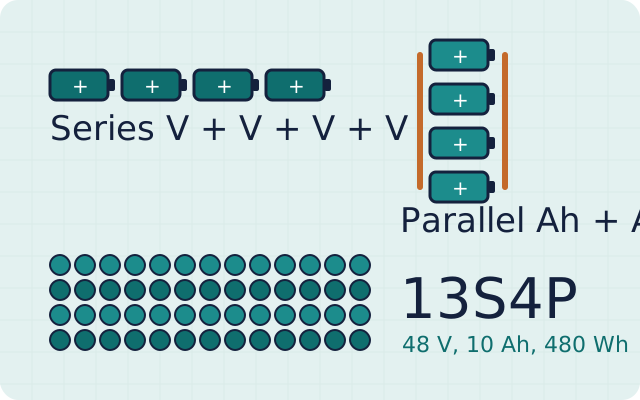 Series and parallel: how cells become a battery pack
A 48 V scooter pack is written as 13S4P. Here is what that means, and how to work out voltage, capacity and energy from the cells inside.
2 min read
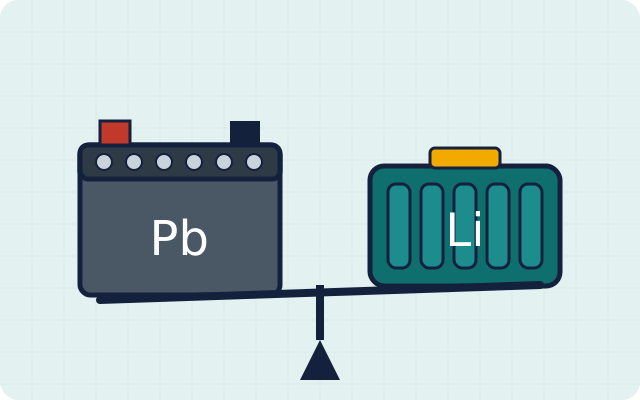 Lithium-ion vs lead-acid: what every EV learner should know
The two battery types differ in cost, weight, life and care. Here is how to compare them fairly.
1 min read
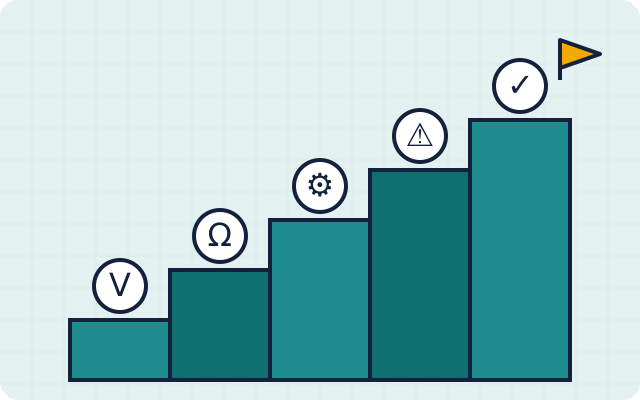 How to become an EV technician: a step-by-step path
These are the skills you need, the order to learn them in and the practice it takes to start working on electric two- and three-wheelers.
1 min read
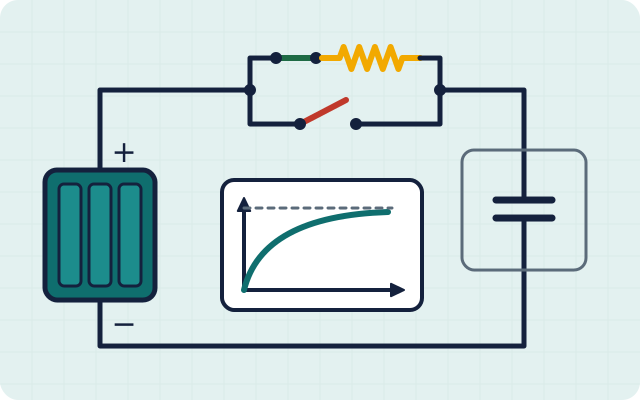 Precharge circuits: why you can't just close the contactor
Connecting a big pack to the controller in one step can weld the contacts. A precharge circuit prevents it.
1 min read
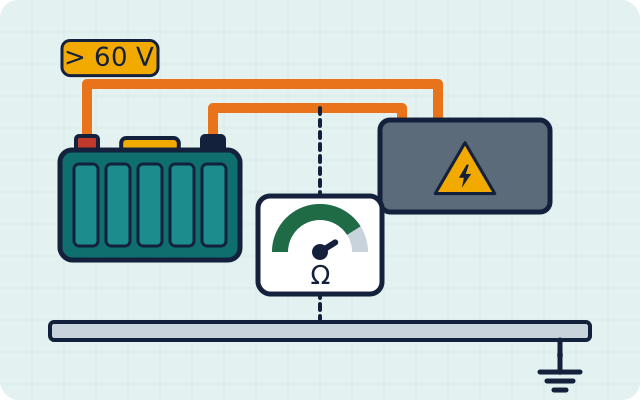 Insulation monitoring and high-voltage safety basics
High-voltage EVs keep the battery isolated from the body. Monitoring and safe habits keep it that way.
1 min read
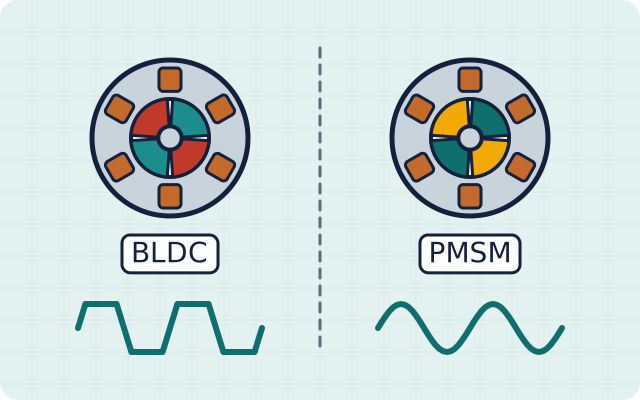 BLDC vs PMSM motors: which one and why
Most electric two- and three-wheelers use one of these two brushless motors. Here is the practical difference.
1 min read
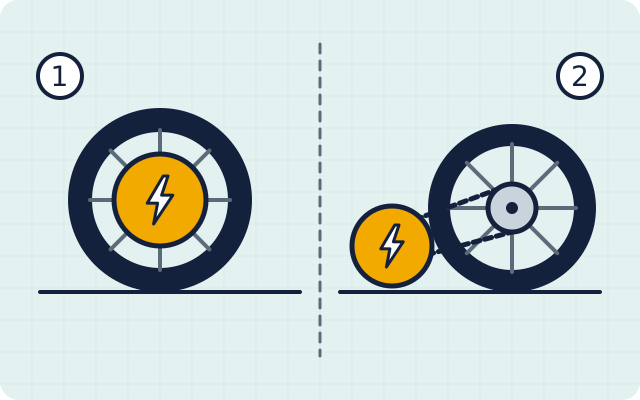 Hub motor vs mid-drive: trade-offs
Should the motor sit in the wheel or at the frame? Each layout changes cost, handling and serviceability.
1 min read
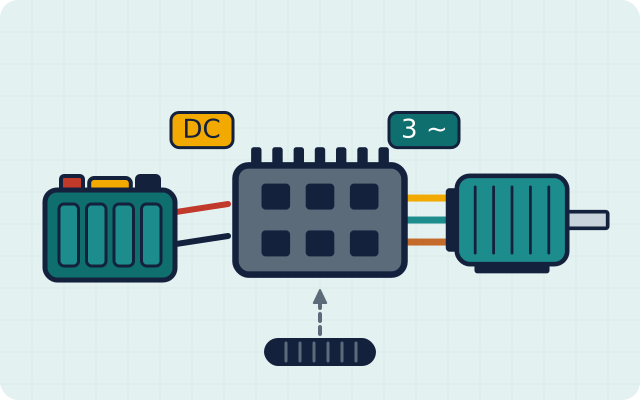 How a motor controller works
The controller turns battery DC into the changing currents a motor needs. Here is the idea without the maths.
1 min read
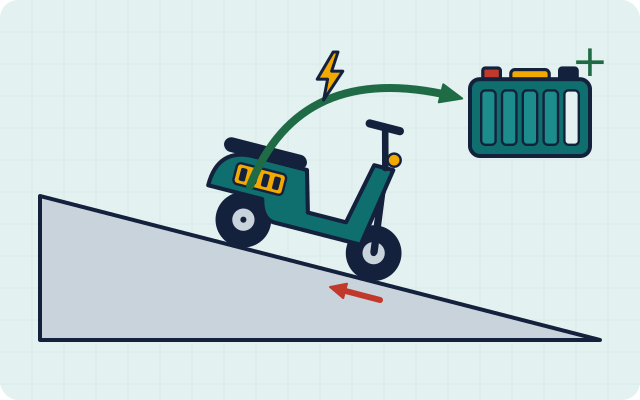 Regenerative braking explained simply
An EV can slow down by turning the motor into a generator and putting energy back in the battery. Here is how.
1 min read
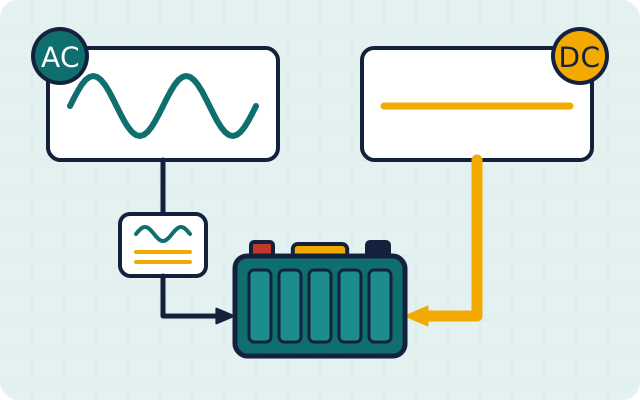 AC vs DC charging: the real difference
Every EV charges on AC or DC. The difference is where the current is converted, and it decides charging speed.
1 min read
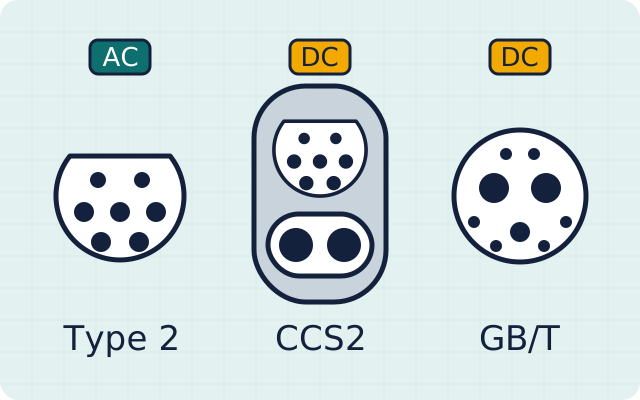 Charging connectors in India: Type 2, CCS2 and GB/T
This is a quick guide to the plugs you will meet on Indian EVs and public chargers, and to which plug goes with which vehicle.
1 min read
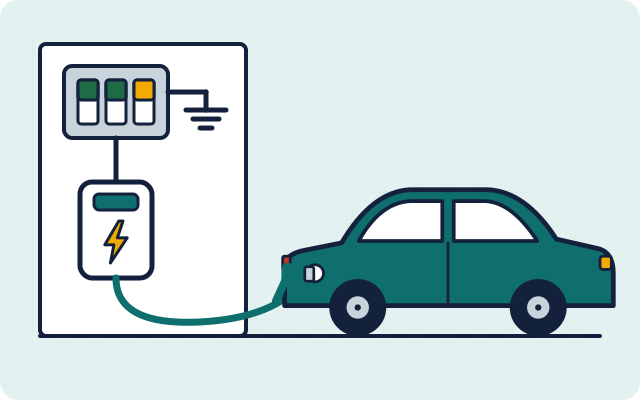 Setting up home charging for a scooter or car
A safe home charging point is simple but worth doing right. Here is what to look for.
1 min read
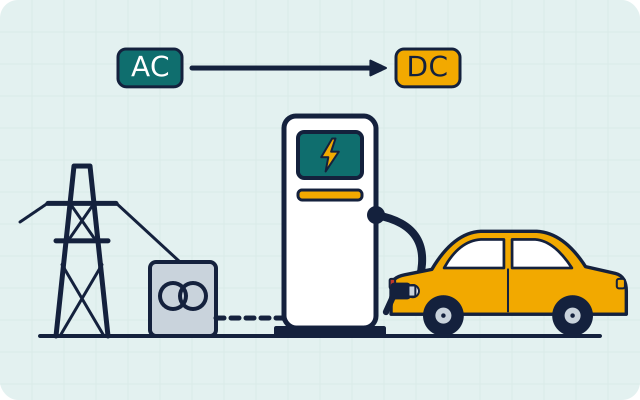 How public fast chargers work
A DC fast charger is a small power station by the road. Here is what happens when you plug in.
1 min read
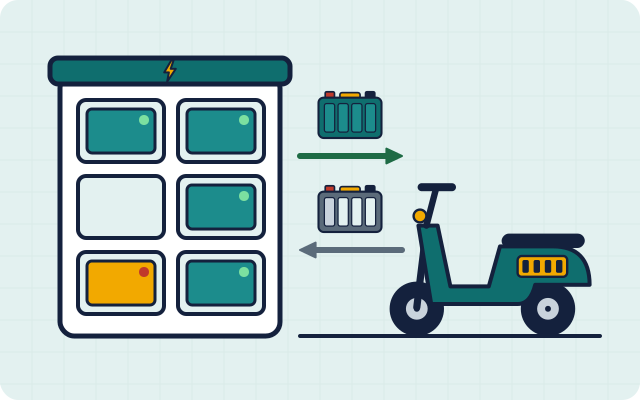 Battery swapping: how it works and who it suits
Instead of waiting to charge, you trade an empty pack for a full one. Here is where it makes sense.
1 min read
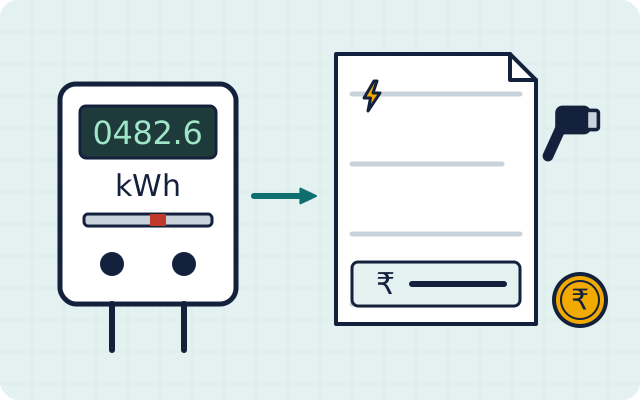 Understanding your electricity bill for EV charging
Charging cost comes down to units used and your tariff. Here is how to read and lower it.
1 min read
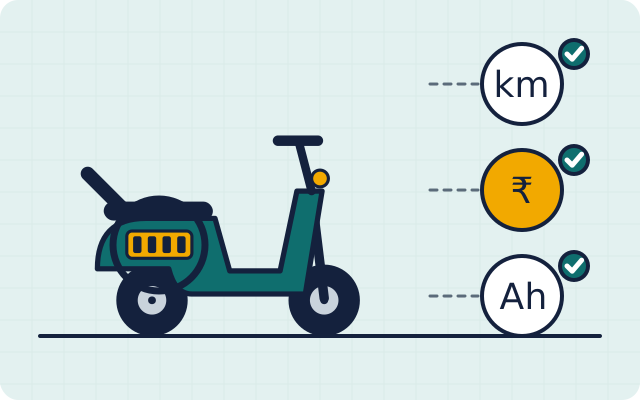 How to choose an electric scooter: a buyer's checklist
Range, real-world range, charging, service and safety matter more than headline speed. Use this practical checklist before you buy.
1 min read
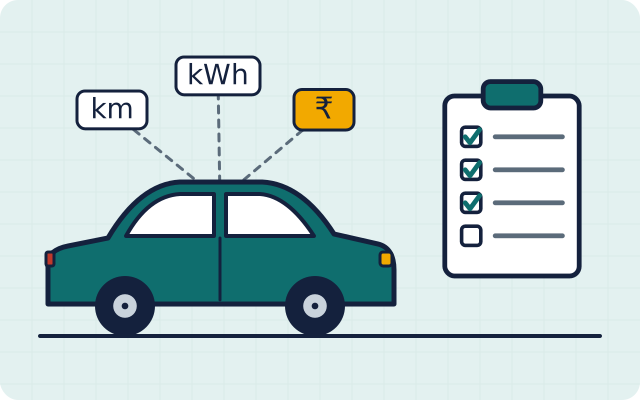 How to choose an electric car in India
Battery size, real range, charging access and total cost decide the right EV for you. This guide takes you through each one.
1 min read
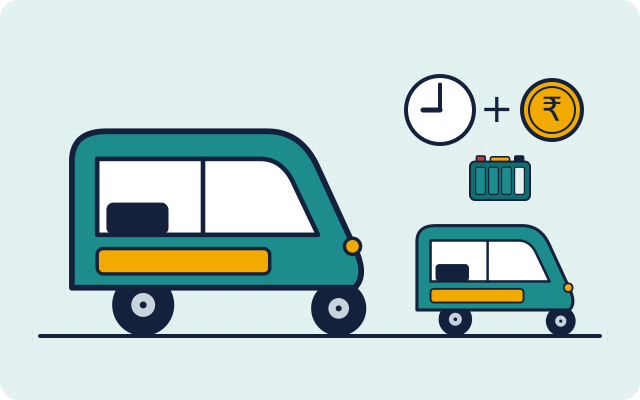 Electric three-wheelers: a buying guide for drivers and fleets
For an e-rickshaw or e-auto, daily earnings depend on range, payload, uptime and running cost. Here is what to check before you buy.
1 min read
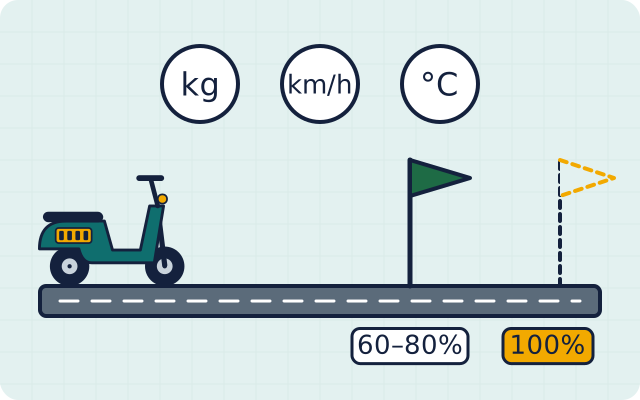 Real range vs claimed range: why they differ
The number on the brochure is measured in ideal conditions. Here is why your range is lower, and by how much.
1 min read
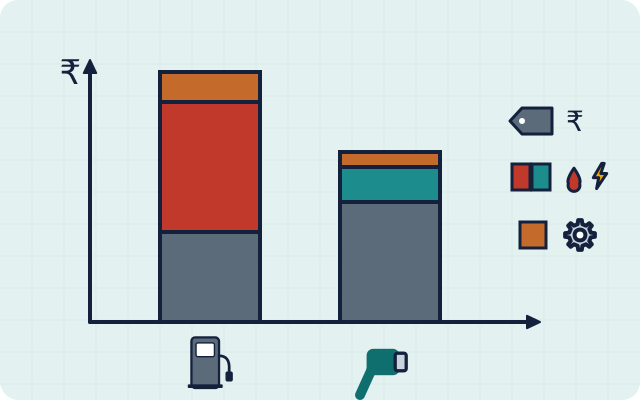 Total cost of ownership: EV vs petrol over 5 years
The sticker price is only part of the story. Over five years, running and service costs decide the winner.
1 min read
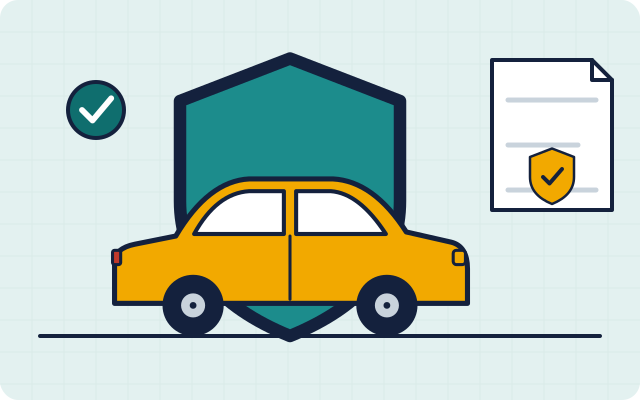 EV insurance in India: what to know
Insuring an EV is similar to a petrol vehicle, with a few battery-specific points worth checking.
1 min read
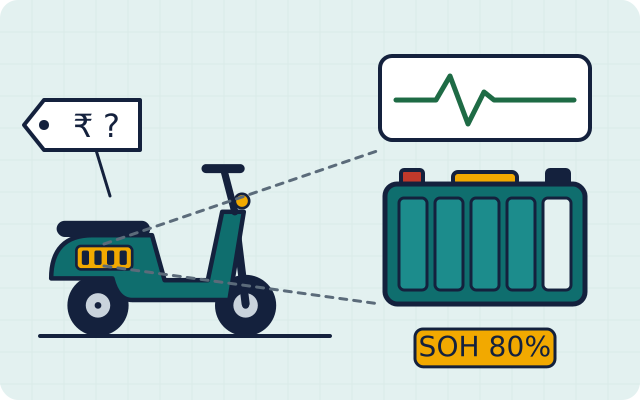 Used EV buying: how to check a battery's health
A used EV's value lives in its pack. Here is how to judge battery health before you pay.
1 min read
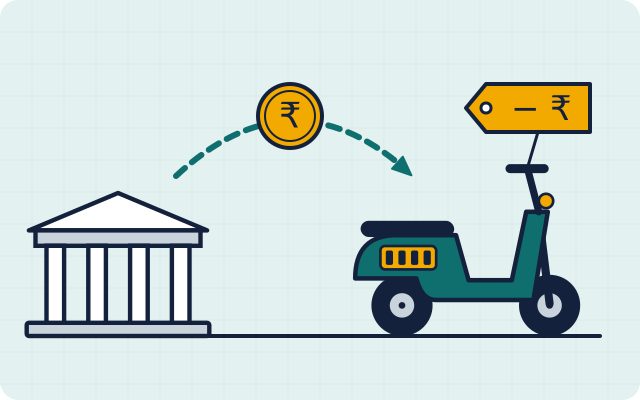 EV subsidies and incentives: what buyers should know
Central and state schemes can lower an EV's price. Here is how to think about them without getting lost.
1 min read
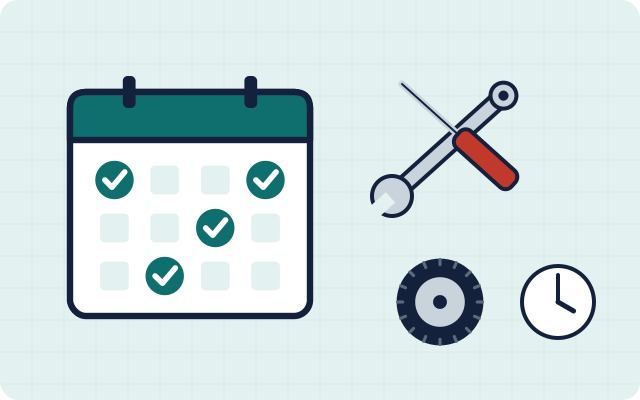 EV maintenance schedule: what to check and when
EVs need less service than petrol vehicles, but not none. A simple schedule keeps them safe and efficient.
1 min read
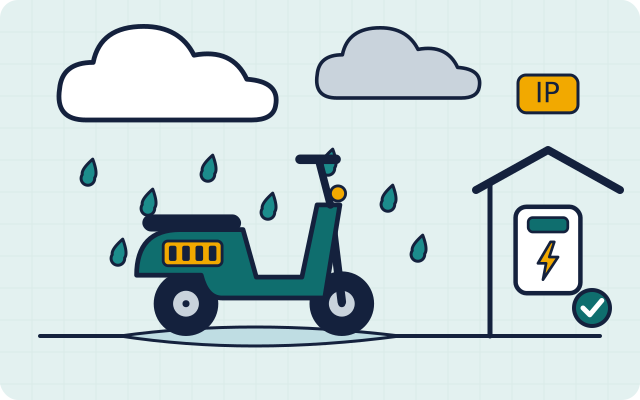 Monsoon and EVs: water, charging and safety
EVs handle rain well when designed and used sensibly. Here is how to ride and charge safely in the wet.
1 min read
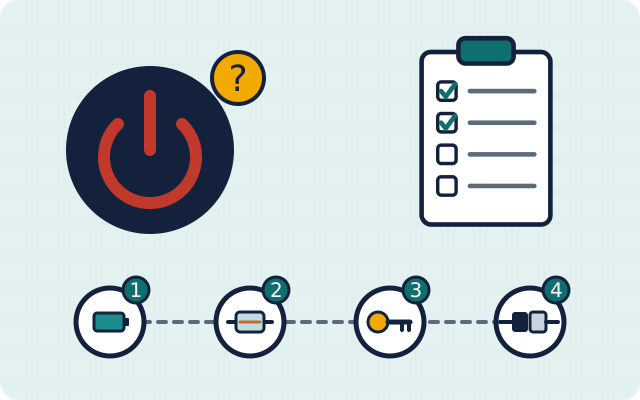 What to do if your EV won't switch on: a checklist
Before calling for help, a few simple checks solve most 'dead' EVs. Work through them in order.
1 min read
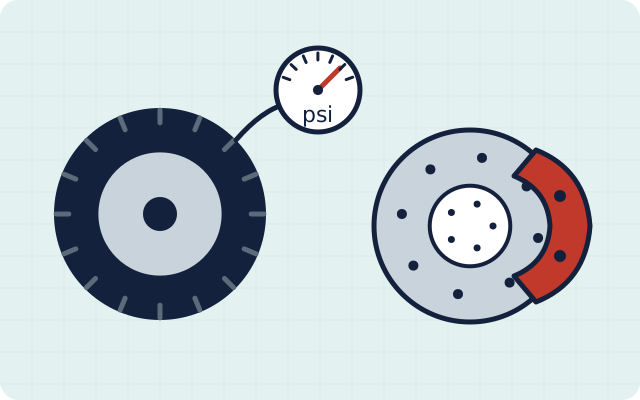 Tyre and brake care on an electric vehicle
Tyres and brakes are where safety and range meet. EVs ask a little extra care for both.
1 min read
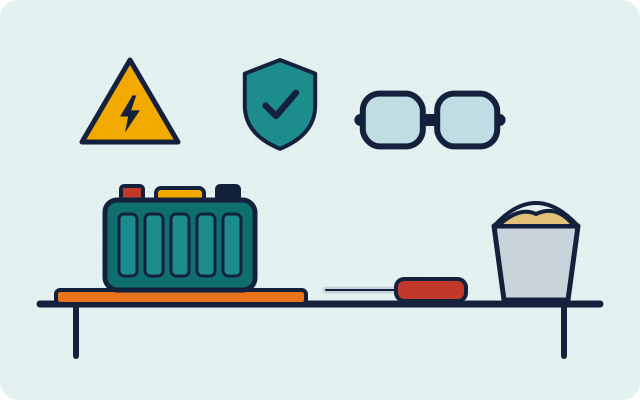 Safe handling of lithium batteries in a workshop
Lithium packs are safe when respected. A short set of workshop rules prevents almost every incident.
1 min read
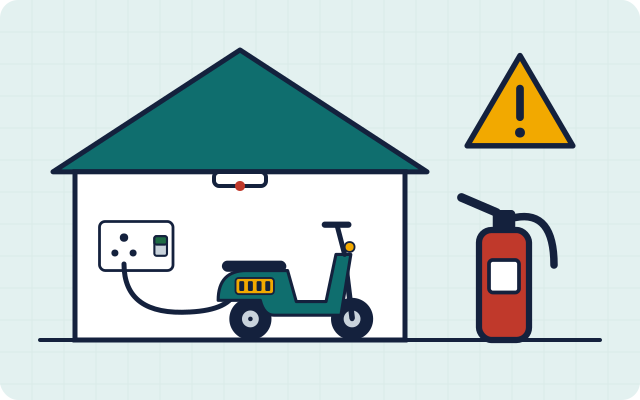 Fire safety for EVs and charging at home
EV fires are rare and almost always preventable. Here is how to charge safely and what to do if trouble starts.
1 min read
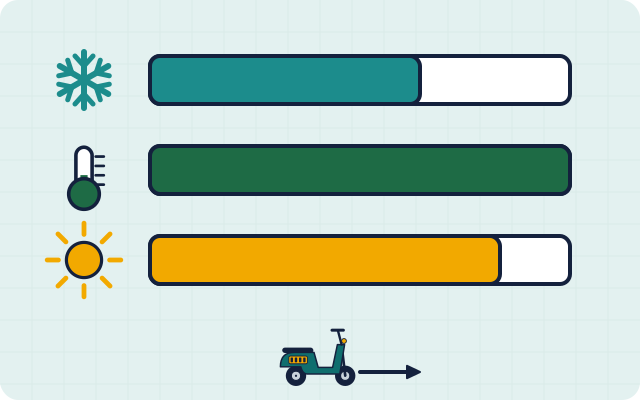 Winter and summer: how temperature affects range
Both cold and heat cut EV range in different ways. Knowing how helps you plan and protect the pack.
1 min read
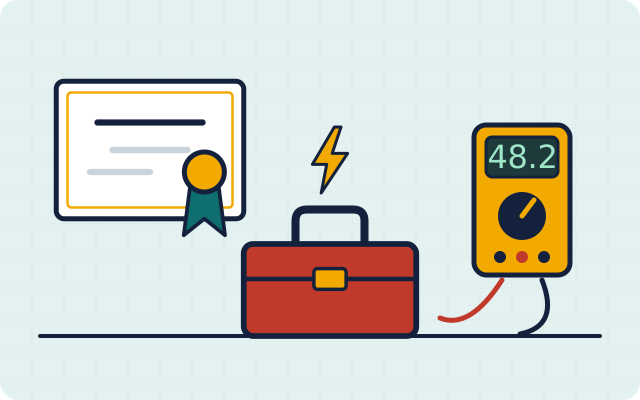 How to become an EV technician in India
EV servicing is a growing, well-paid trade. Here is a realistic path from beginner to employable.
1 min read
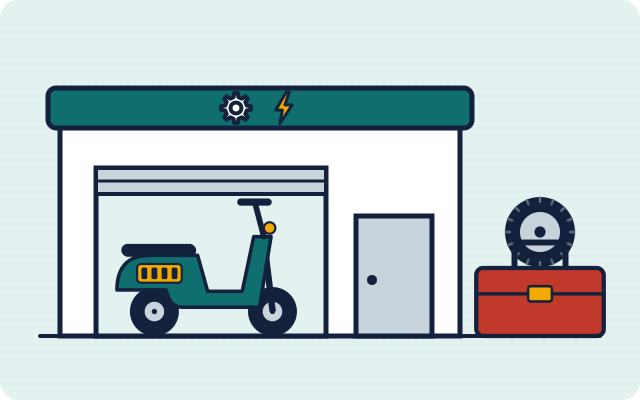 Starting an EV service workshop: what you need
Turning a workshop into an EV service point needs the right tools, training and safety setup. Here is a list to start from.
1 min read
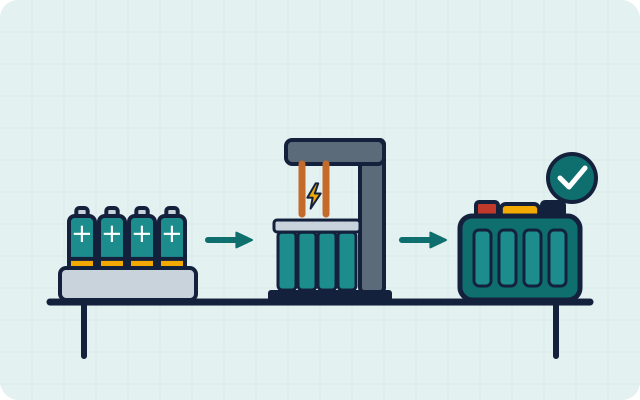 Setting up a battery assembly unit: the basics
Assembling lithium packs is a real business opportunity with strict safety and quality needs. This article gives an overview of what it takes.
1 min read
 EV skills that employers want in 2026
The EV industry is hiring for a specific set of practical skills. Here is where to focus to be employable.
1 min read
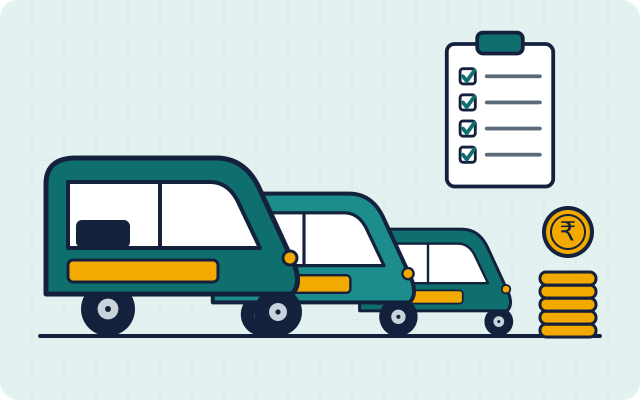 Starting an e-rickshaw fleet: a practical primer
An e-rickshaw fleet can be a solid business if you plan range, charging and maintenance from day one.
1 min read
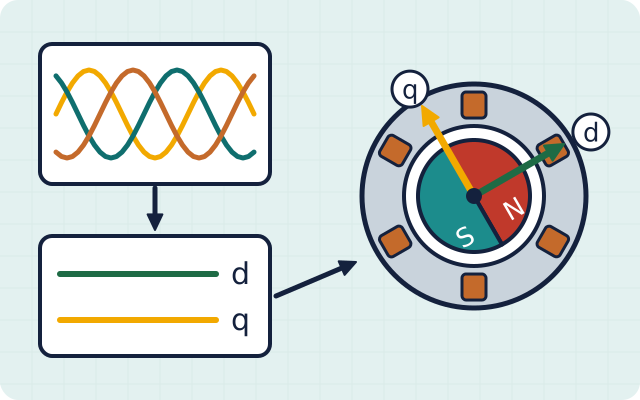 Field-oriented control (FOC) in plain words
FOC is why modern EV motors feel smooth and efficient. Here is the idea without heavy maths.
1 min read
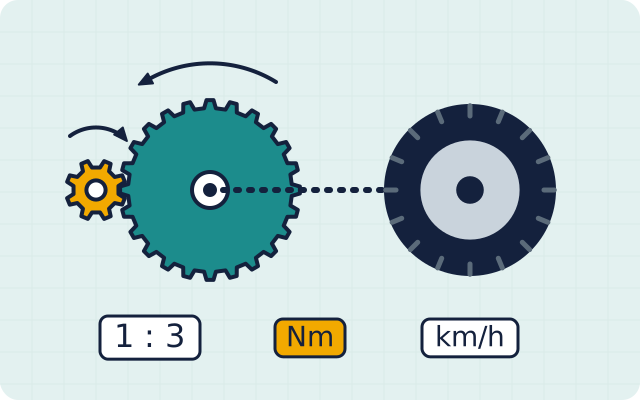 Gear ratio and wheel size: how they set speed and torque
The same motor can be a quick hill-climber or a fast cruiser depending on gearing and wheel size.
1 min read
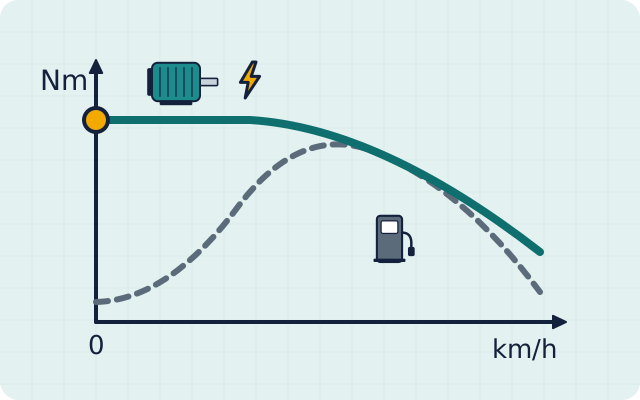 Why EVs have so much torque from zero
Electric vehicles leap off the line because of how electric motors make force. Here is the simple reason.
1 min read
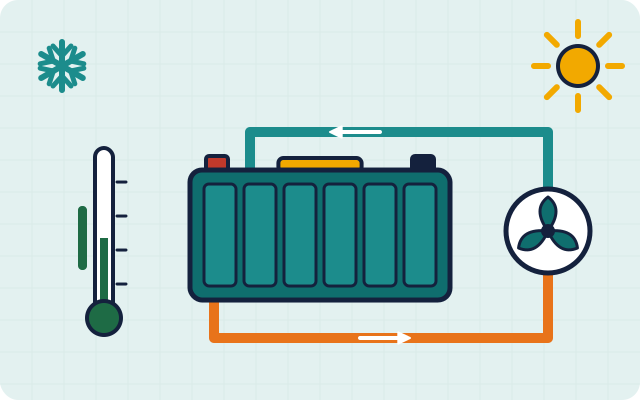 Battery thermal management: keeping the pack in its happy range
Batteries like a narrow temperature window. Thermal management keeps them there for range, life and safety.
1 min read
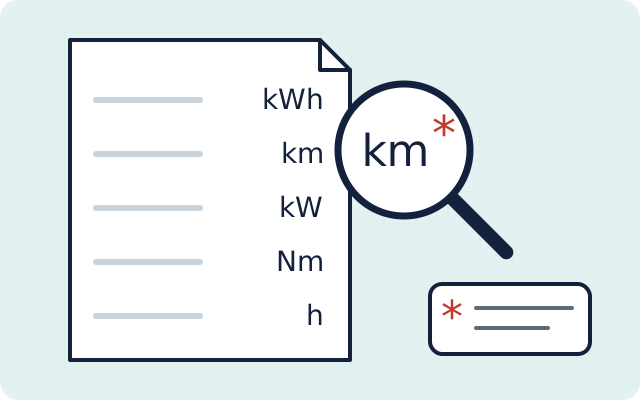 How to read an EV spec sheet without getting fooled
Spec sheets mix useful numbers with marketing. Here is which figures matter and which to treat with care.
1 min read
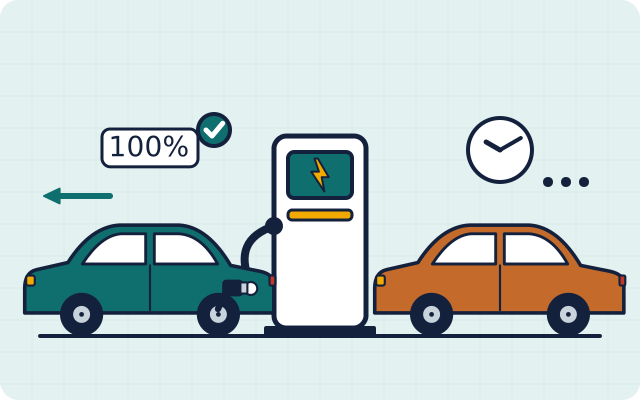 Public charging etiquette: sharing stations fairly
As more people drive electric, good manners at chargers keep queues short and tempers cool.
1 min read
 EV jargon explained: a plain-language glossary
BMS, SOC, SOH, kWh, C-rate, regen, FOC — the EV world is full of short forms. Here is each one in a sentence.
1 min read